Drones are no longer just flying cameras.
They are becoming intelligent flying systems.
Explore Drones
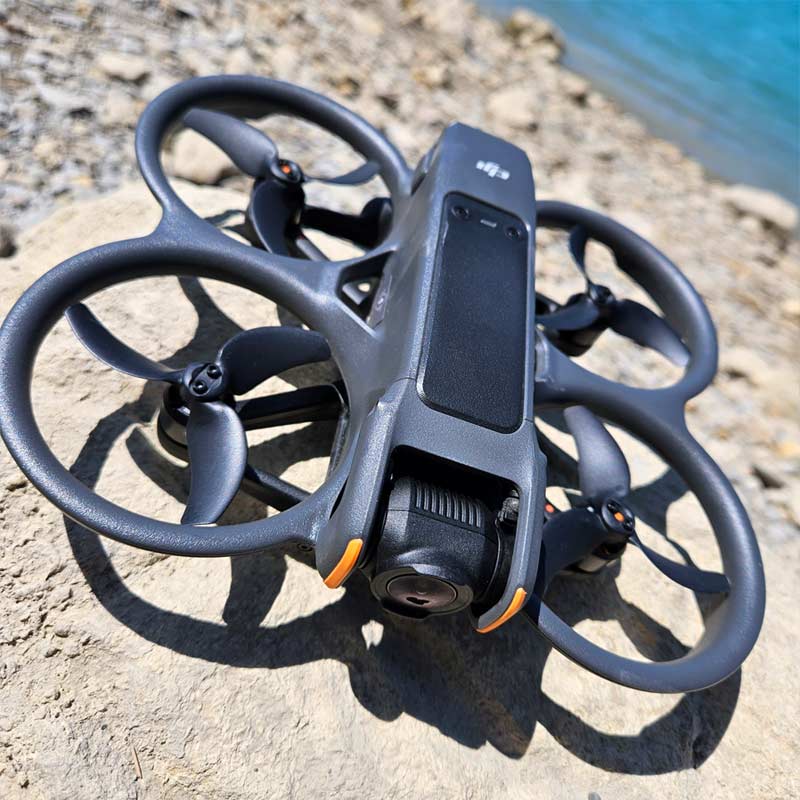
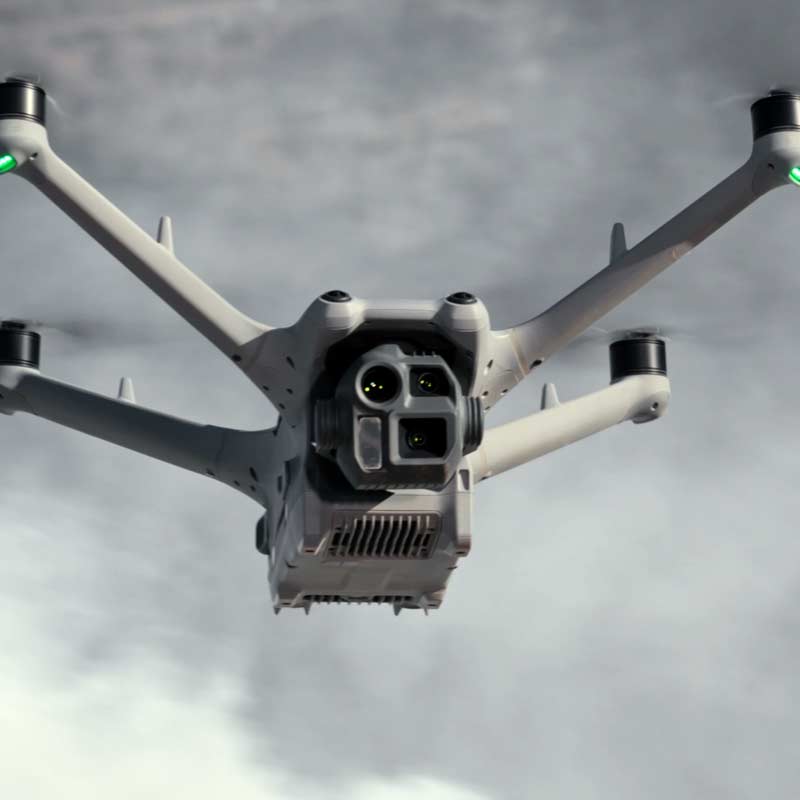
Explore By Brands
DJI
HoverAir
Antigravity
Skyrover
Others
Latest Drone Videos
 9:57
DJI Dock 4: Battery Swap in 25 Seconds Changes Everything
9:57
DJI Dock 4: Battery Swap in 25 Seconds Changes Everything
 14:52
DJI Avata 360 vs Antigravity A1: Best 360° Drone?
14:52
DJI Avata 360 vs Antigravity A1: Best 360° Drone?
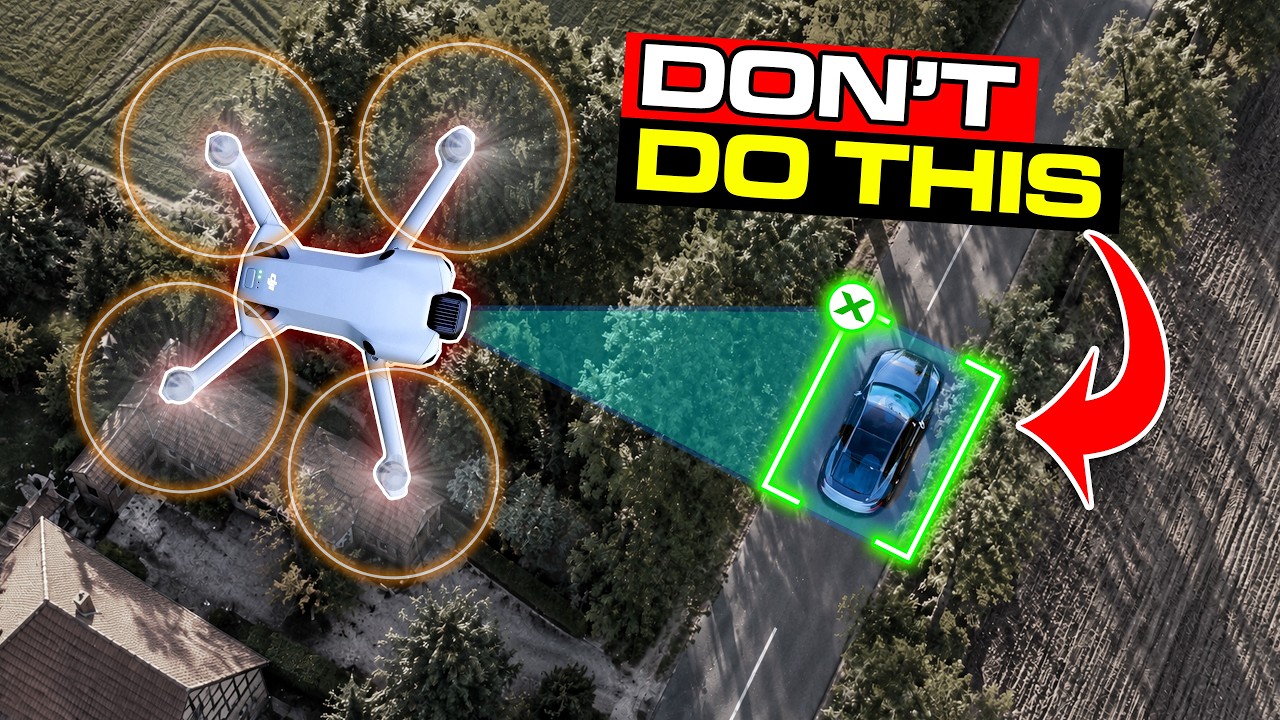 12:51
How To Track a Car with the DJI Mini 5 Pro
12:51
How To Track a Car with the DJI Mini 5 Pro
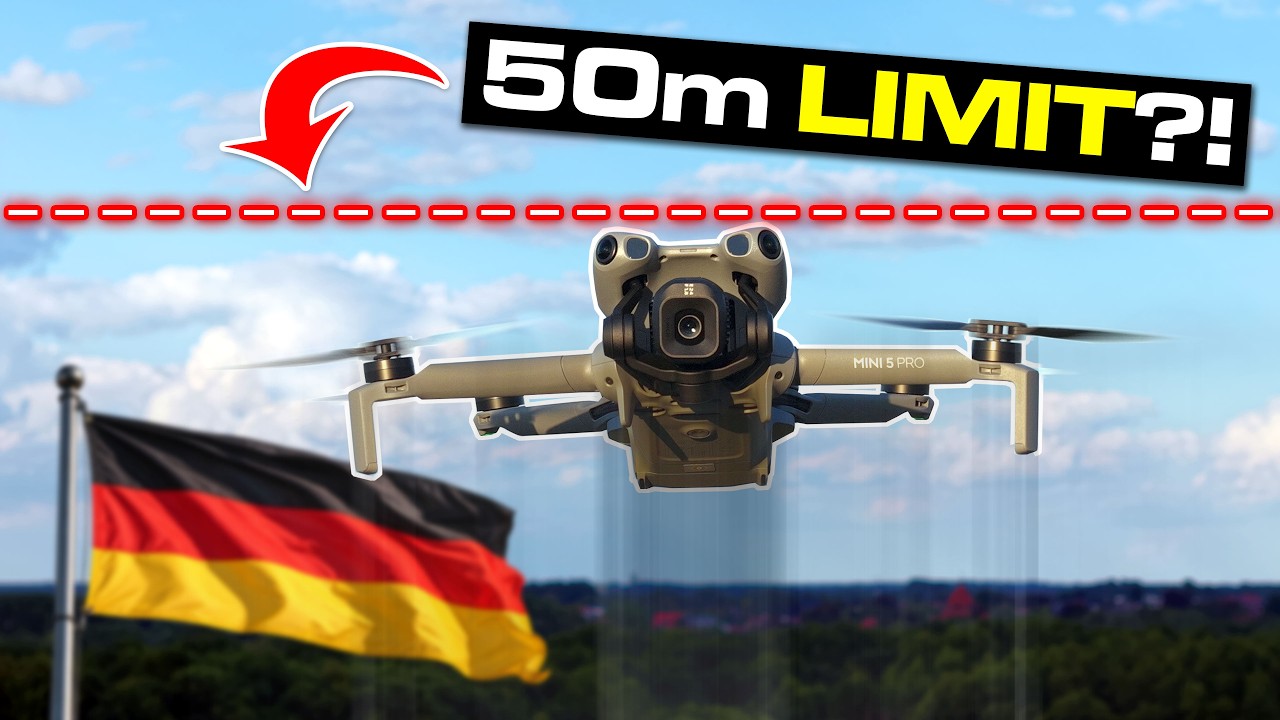 7:21
Is Germany Banning Private Drone Flights?
7:21
Is Germany Banning Private Drone Flights?
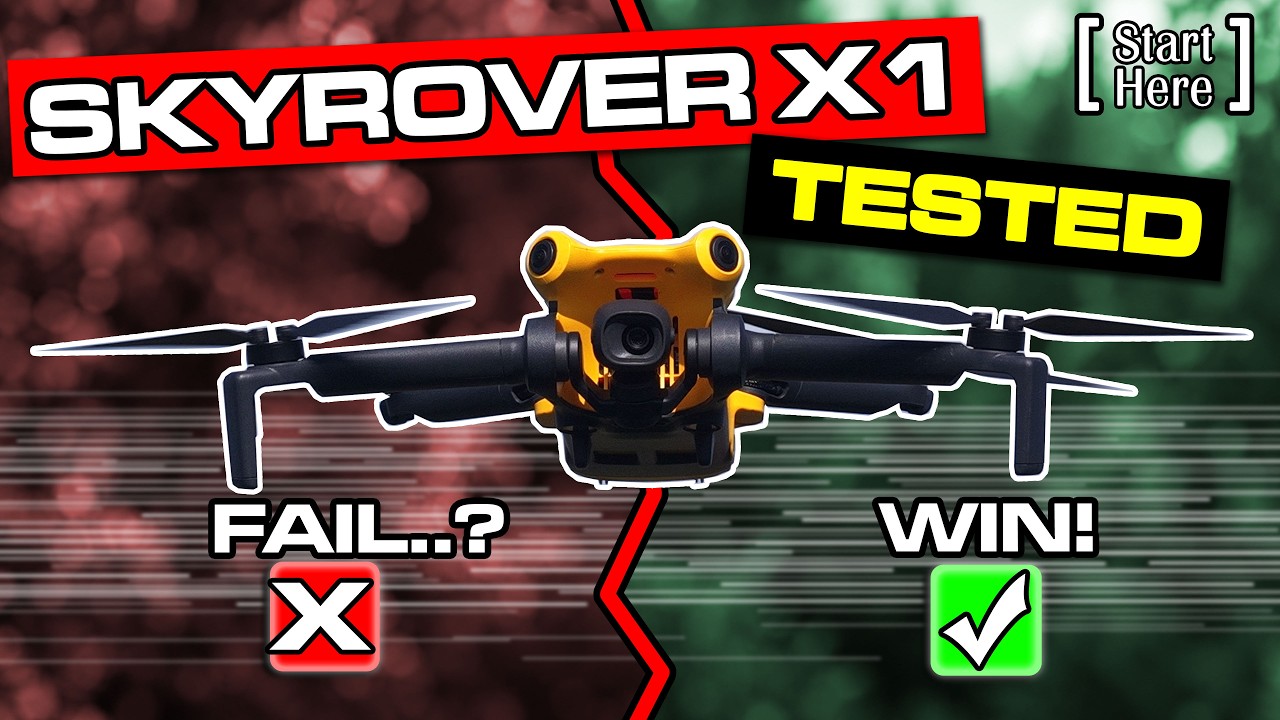 25:19
Skyrover X1 REVIEW | Is This a DJI Mini 4 Pro?
25:19
Skyrover X1 REVIEW | Is This a DJI Mini 4 Pro?
About Modern Drones
A drone is an aircraft without a pilot on board, but the term now covers an enormous range of technology. What was once largely associated with remote controlled aircraft has evolved into compact flying cameras, immersive FPV systems and highly specialized professional tools.
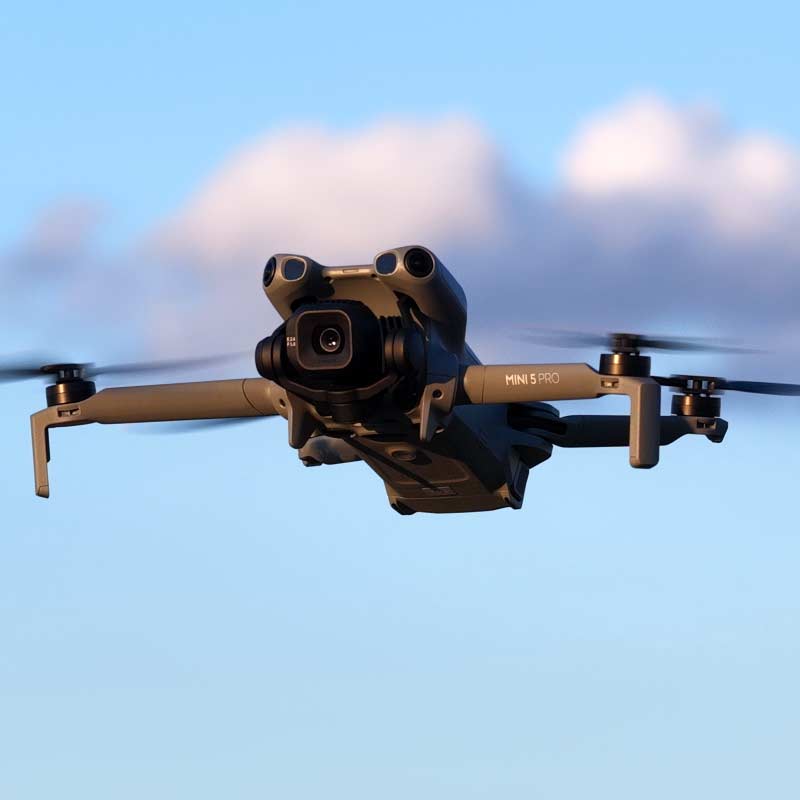
For most consumers, camera drones are the most familiar category. Their purpose is relatively simple: put a capable camera into the air and keep it stable. Modern models combine increasingly large camera sensors with mechanical gimbals, long range transmission, obstacle sensing, subject tracking and automated flight modes. Some compact drones now offer technology that only a few generations ago was reserved for much larger aircraft.
FPV drones follow a different philosophy. The pilot experiences the flight through goggles and controls the aircraft from a first person perspective. Traditional FPV is fast, direct and highly manual, but the boundaries are beginning to disappear. New systems combine immersive flying with stabilized cameras, positioning systems, obstacle sensing and increasingly intelligent flight assistance.
Enterprise drones form another category entirely. Here, the camera is often just one sensor among many. Thermal imaging, laser rangefinders, mapping cameras and other specialized payloads turn drones into tools for inspection, surveying, emergency response, construction and industrial applications. Some systems can already operate from automated docking stations with increasingly little human interaction.
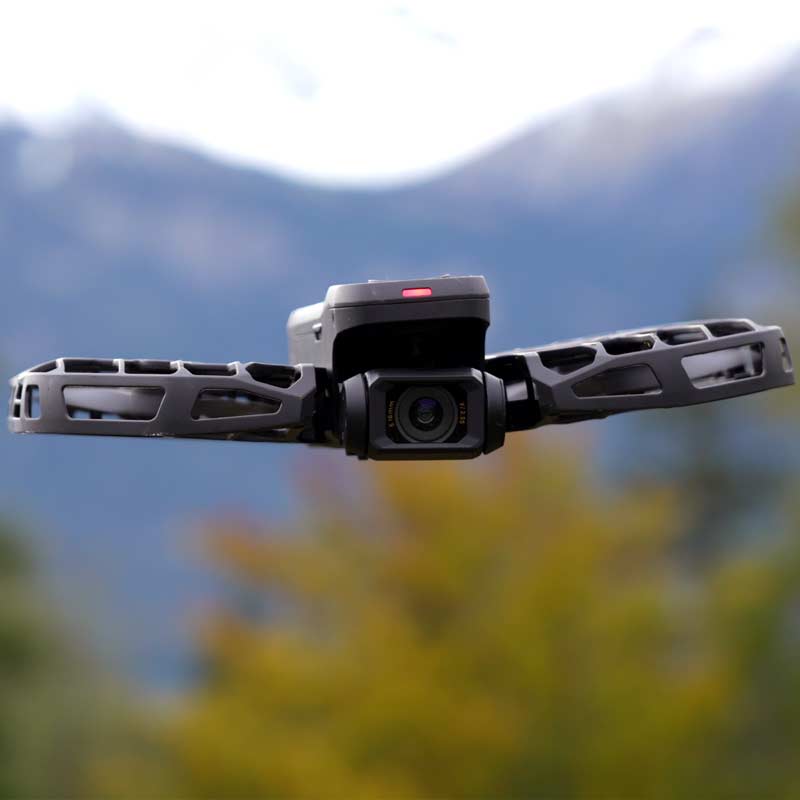
DJI has played a major role in shaping both the consumer and enterprise drone markets, but the industry is becoming more diverse. Companies such as HOVERAir are pushing autonomous flying cameras that can follow and film a subject without traditional piloting, while Antigravity is combining immersive flight with integrated 360 degree capture. These approaches show that the definition of a consumer drone itself is
The overall direction is clear. Drones are becoming smaller, cameras are becoming better and flight systems are becoming more intelligent. Obstacle sensing, automated tracking and autonomous navigation increasingly allow the aircraft to make decisions that once depended entirely on the pilot.
The question is no longer simply how well a drone flies. It is increasingly about how much of the flying the drone can do itself.